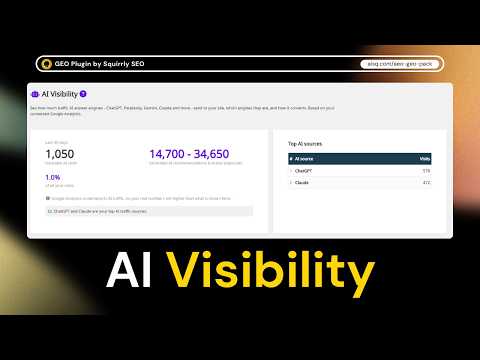
Website Visibility in AI: A Practical Guide for Business Leaders
Understanding Website Visibility in AI
Website visibility in AI refers to how well a site is discovered, indexed, and ranked by artificial‑intelligence‑driven search engines and recommendation systems. As AI models become the primary engine behind search results, traditional keyword tactics are giving way to semantic relevance, user intent, and structured data signals. For U.S. businesses, this shift means that visibility now hinges on how clearly a site communicates its purpose to machine learning algorithms. Improving AI visibility can reduce paid‑media spend while expanding organic reach across voice assistants, chatbots, and visual search platforms.
Most users assume that simply adding more content will boost rankings, but AI evaluates context, freshness, and trust signals much more holistically. Understanding the underlying mechanisms—such as natural‑language embeddings, knowledge graphs, and user‑behavior feedback loops—helps you set realistic expectations and prioritize the right optimizations. The following sections break down the practical steps you can take today.
Core Features That Influence AI‑Driven Visibility
AI algorithms rely on a combination of on‑page and off‑page features to assess relevance. Below are the most impactful elements you should audit regularly:
- Structured data markup (Schema.org) that clarifies entities, products, and events.
- Content depth and topical authority demonstrated through comprehensive, well‑linked articles.
- Page performance metrics such as load speed, mobile‑friendliness, and Core Web Vitals.
- Secure HTTPS connections and clear privacy policies that signal trust.
- User engagement signals, including dwell time, click‑through rates, and bounce rates.
Boost your site’s visibility today by learn about AI search optimization at UserSignals.